 ☰
☰
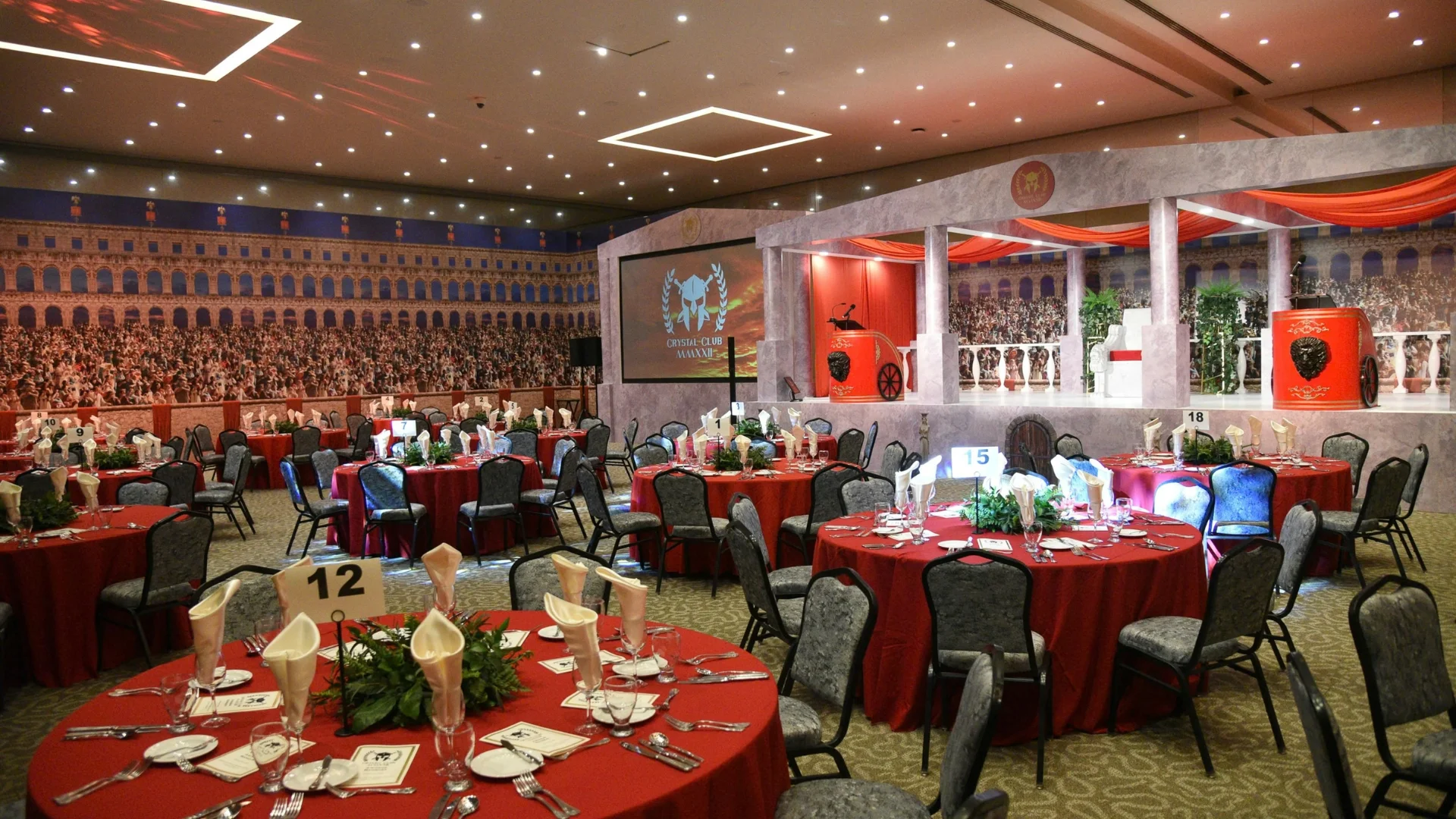
It is the last week of September. Your managing director has just announced that this year’s company party should “feel different”, the venue everyone loved is already booked, and the budget looks suspiciously like last year’s. Sound familiar? Finding the right corporate event organiser in London is rarely about who has the prettiest website. It is about who can protect your budget, your brand and your own sanity when forty small decisions land on the same afternoon.
This guide is written for HR leads, marketing managers, executive assistants and founders who have been handed an event and told to make it brilliant. We will walk through what organisers actually do, what things cost, where the hidden charges sit, how the tax rules treat staff parties, and the questions worth asking before you sign. Use it as a checklist, whether you end up working with us or somebody else.
London is generous with options and merciless with timing. A few patterns repeat every year:
Booking a room is the easy bit. A capable team spends most of its effort on the work you never see, and it helps to know what that looks like so you can judge proposals properly.
Our own process follows four stages: a consultation to agree goals and audience, venue and supplier coordination, creative planning and production, and full event day management. The labels differ between companies, but if a proposal skips any of these stages, ask who is covering them.
Not every event needs an agency. A twenty-person team lunch can sit comfortably with an office manager. The picture changes once you add production, a large guest list or a reputational risk. This table compares the three common routes.
| Option | Best for | Budget control | Supplier access | Effort for your team |
| In-house owner | Small, repeat gatherings under about 30 guests | Good if the owner is experienced; easy to miss hidden costs | Limited to existing contacts | High: it sits on top of a day job |
| Freelance planner | Mid-sized events with a modest production need | Usually strong, with a single point of contact | Good, but depends on one person’s network | Medium: you still coordinate some suppliers |
| Full-service agency | Large, high-profile or multi-day events | Itemised budgets and negotiated supplier rates | Wide pool of venues, production and talent | Low: one team manages planning through to event day |
A full-service event management company earns its fee when the stakes are high or your team is already stretched. For smaller, repeatable gatherings, a freelancer or an in-house owner with a strong checklist is often enough. Choose the model that matches the risk, not the one that sounds most impressive.
The question behind how much does a corporate event cost in London is really a question about what you want guests to feel. A seated dinner with a headline performer sits in a different universe from drinks and canapés in a members’ club. Rather than quoting a single figure that would mislead you, here is how budgets are usually shaped and where the pressure points appear.
As a rough planning guide, venue hire and catering take the largest slice, often close to half. Production, lighting and AV typically follow, then entertainment, styling and branding, with a contingency of around ten per cent held back for the things nobody predicted. Treat these as starting proportions, then adjust for your format.
Ask every supplier for an all-in figure per head, including VAT and service charge, so quotes can be compared fairly. Then check for these frequent extras:
If the event is a staff celebration, HMRC’s annual function exemption matters before you finalise the menu. In broad terms, an annual event open to all employees can be free of tax and National Insurance for the people attending, provided the cost stays at or below £150 per head. That figure includes VAT and counts partners and guests too, so a party costing £2,000 for sixteen people works out at £125 each, not £200.
Three practical points catch people out:
Higher-spec celebrations do exist and plenty of firms choose them, sometimes alongside a PAYE settlement agreement. Because rules can change and every company’s situation differs, confirm the current position with your accountant before committing.
Search for conference venues in London and you will find hundreds of options, which is exactly the problem. Narrow the list by deciding what the room must do. Here is how the common types tend to compare:
Whichever you pick, visit it at the time of day your event will run. Check step-free access, toilets per head, nearest stations, the route for deliveries and how guests will queue at the cloakroom. A fifteen-minute walkthrough often exposes problems that no brochure mentions.
People often ask how far in advance to book a corporate event, and the honest answer is earlier than feels comfortable. As a working guide:
Flexibility is your best bargaining chip. If you can move from a Friday to a Wednesday, or from December to January, you may open up better rooms and calmer pricing.
Before you collect corporate event ideas, decide what the event is for. The format should follow the objective, not the other way round.
When you hire an event planner, the first meeting tells you plenty. Be wary if you notice any of the following:
A good brief saves days of back-and-forth. Even a single page helps if it covers these points:
Featured London plans and manages corporate events across London and the UK, from conferences and gala dinners to launches, networking evenings and festive parties. Our team works from Great Portland Street in the West End, with a second base in Madrid for events that cross borders.
One example: a two-day annual conference for a fintech business, with more than 450 guests, where we looked after venue, branding, catering, registration and technical support. The common thread across our work is simple. We begin with your objectives, make the budget visible, and keep one point of contact responsible from the first call to the last invoice.
Planning something for this year or next? Share a rough date, headcount and budget range with us and we will tell you honestly whether the plan is realistic, which venues deserve a look, and where you could save money without losing the effect. Call +44 (0)208 9603120, email info@featured.london or message us on WhatsApp, and ask for a consultation.
The best corporate events feel effortless, and that ease is almost always manufactured by someone working very hard behind the scenes. Whoever you choose, insist on a clear goal, a clear budget, a named lead and a written plan for when things change.
Q1. How much should I budget per head for a corporate event in London?
There is no single figure, because format drives cost. A drinks reception, a seated dinner and a full conference differ widely. Ask each supplier for an all-in per-head price including VAT and service charge, then compare like for like and keep a contingency in reserve.
Q2. How far in advance should I book a corporate event organiser?
For large conferences and galas, six to nine months is sensible. Mid-sized dinners and launches usually need three to five months. For December parties, begin in early autumn, or earlier for peak Friday dates.
Q3. Is a company Christmas party tax-free in the UK?
It can be, if it is an annual event open to all staff and costs no more than £150 per head including VAT, counting guests too. Exceed it and the whole amount can become taxable. Speak to your accountant for your own circumstances.
Q4. Do I really need an event management company, or can we do it in-house?
If the event is small and your team has spare capacity, in-house can work well. Bring in a specialist when you have production needs, a large guest list, tight deadlines or reputational risk.
Q5. What is normally included in an organiser’s fee?
It varies. Fees are commonly fixed, percentage-based or cost-plus. Always ask what is covered, such as venue sourcing, supplier management, on-site staff and reporting, and what is billed separately.
Q6. Can you organise corporate events outside London?
Yes. We deliver events across the UK, and with our Madrid base we can discuss projects in Europe. Share your location and dates and we will confirm what is practical.
Q7. What should I include in an event brief?
State the purpose, headcount range, budget including VAT, preferred dates, brand requirements, access needs and decision makers. Even one page speeds up proposals and reduces costly revisions.
Q8. How do you measure whether a corporate event worked?
Return to the goal you set. Depending on the event, that could be attendance, guest feedback, leads generated, sales conversations, social reach or staff engagement. Agree the measure before the planning starts.
Q9. What happens if guest numbers change at the last minute?
Most venues set minimum numbers and a date for final headcount. A good organiser negotiates flexibility into the contract, holds a sensible buffer and tells you early when a change affects cost.
Q10. How do I start working with Featured London?
Contact us by phone, email or WhatsApp with your date, headcount and budget range. We will arrange a consultation, discuss your goals and outline the next steps with no obligation.