 ☰
☰
☰
☰
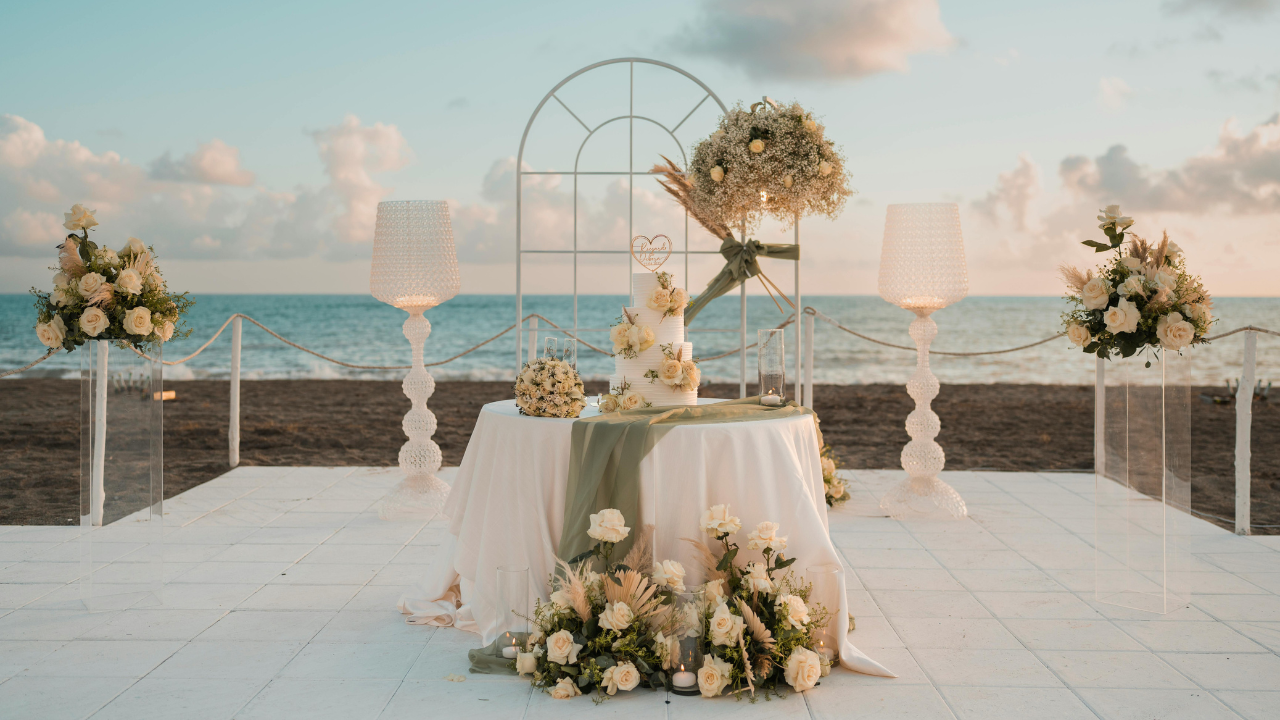
Ask anyone who’s planned a wedding in this city and they’ll tell you the same thing: London doesn’t do anything by halves, including the price tag. But a tight budget doesn’t mean a smaller love story — it just means being smarter about where your money actually goes. Some of the most talked-about weddings friends still bring up years later weren’t the most expensive ones. They were the ones that felt personal, well thought out, and genuinely fun to be at. Here’s how to get there without draining your savings.
Work out what “budget” actually means for you
Budget is relative. For some couples it’s £8,000, for others it’s £30,000 and still feels tight by London standards. The first real step isn’t picking a venue or a dress — it’s an honest conversation about what you can spend without starting married life under financial strain. Write the number down. Then split it roughly across venue, catering, attire, photography, flowers/styling, entertainment and a contingency pot. Seeing it broken into categories stops the whole thing feeling abstract and makes it much easier to spot where you’re overspending before you’ve signed anything.
Let the borough do some of the work
Central London venues carry a premium simply for being central. You’ll often get more character and considerably better value by looking slightly further out — east towards Hackney and Walthamstow, south towards Peckham and Brixton, or along the river towards Greenwich. These areas have seen a real wave of interesting, characterful venues in converted warehouses, old town halls, riverside pubs and community spaces, many of which cost a fraction of what you’d pay for a hotel ballroom in the centre, and they photograph beautifully.
Registry office ceremonies followed by a separate, more relaxed reception venue is another route many budget-conscious couples take, since it avoids paying “wedding premium” pricing for the legal part of the day.
Timing changes everything
If your date is flexible, use that flexibility. January through March, and again in late autumn, are traditionally quieter months for London venues and suppliers, which means better rates and more room to negotiate extras like extended hours or complimentary add-ons. Even within peak season, a Friday or Sunday date can shave a significant amount off venue hire compared with a Saturday.
Get selective about your guest list early
It’s tempting to invite everyone you’ve ever known, but guest numbers drive cost more than almost anything else — catering, drinks, favours, stationery, seating, even venue capacity requirements all scale with headcount. Sit down together early and agree on a realistic number before you start venue hunting, not after. A day with 50 people you genuinely love having there tends to feel warmer than one with 150 where half the guests are more your parents’ friends than yours.
Understand where professional help pays for itself
There’s a myth that only couples with big budgets bring in a planner, but plenty of the top luxury wedding planners in London now offer scaled-back services — partial planning, styling consultations, or day-of coordination — built specifically for couples managing things themselves but wanting expert backup. This kind of support often pays for itself by avoiding costly mistakes: booking a supplier without checking their contract terms, missing a payment deadline, or discovering on the morning that nobody’s been designated to manage timings. If you’re weighing up whether to bring in a luxury wedding planner in London even on a modest budget, a single consultation is often enough to work out where their input would genuinely save you money.
Rethink catering rather than cutting it
Food is usually the second-biggest cost after the venue, but the format matters more than people realise. A formal three-course sit-down meal with full table service is the priciest way to feed a room. Grazing tables, a food truck, family-style sharing platters or a relaxed buffet can be every bit as memorable, often more so, and cost noticeably less per head. For drinks, a set bar of house wine, one beer, a signature cocktail and soft drinks, followed by a cash bar later in the evening, keeps things predictable and prevents the bar tab from spiralling.
Don’t let styling costs creep up on you
Flowers, signage, table settings and lighting can quietly become one of the largest line items if you’re not careful, especially with elaborate installations. Seasonal, locally grown flowers cost less than out-of-season imports and often look better in photos. Renting decor rather than buying it, reusing ceremony flowers at the reception, and choosing one or two statement pieces rather than decorating every surface all keep styling costs sensible without the room looking bare.
Protect the things you’ll actually remember
When money is tight, it helps to separate “nice to have” from “will matter in ten years.” Photography, the food, and the people you spend the day with fall into the second category. Favours, elaborate save-the-dates and oversized floral arches tend to fall into the first. Spend where it will show up in your memories, not just in the moment.
Ask for help without committing to full-service packages
Not every couple needs a full-scale planning service, and that’s completely fine. Many top wedding planners in London now offer smaller, bite-sized services — a two-hour venue-shortlisting session, a supplier review, or a final month “handover” where they take over communication with everyone you’ve booked so you’re not fielding emails during your last few weeks before the day. These smaller touchpoints tend to be far more affordable than people expect, and they mean you’re not navigating tricky contract clauses or unfamiliar industry jargon entirely alone.
It’s also worth remembering that experienced planners often have existing relationships with venues and suppliers, which can occasionally unlock a better rate or a small extra than you’d get approaching them cold.
Frequently Asked Questions
How much does an average London wedding cost compared with the rest of the UK?
London weddings typically run higher than the national average, largely because of venue and catering costs, though it’s entirely possible to plan one well below that average with careful choices around date, location and guest numbers.
Is it worth getting married outside central London to save money?
Often, yes. Venues in outer boroughs tend to be noticeably cheaper than equivalent spaces in central areas, while still offering easy access for guests via public transport.
What should I prioritise if my budget is genuinely tight?
Photography, catering and the venue itself tend to have the most lasting impact. Stationery, favours and elaborate decor are usually the easiest places to scale back.
Can a wedding planner actually save me money, or just cost more?
A good planner, even hired for a limited number of hours, often saves more than they cost by avoiding supplier mistakes, renegotiating contracts, and helping you spend in the right places.
When should I start planning if I want the best prices?
As early as possible — ideally 12 months or more ahead — since the most affordable venues and suppliers get booked first, particularly for spring and summer dates.