 ☰
☰
☰
☰
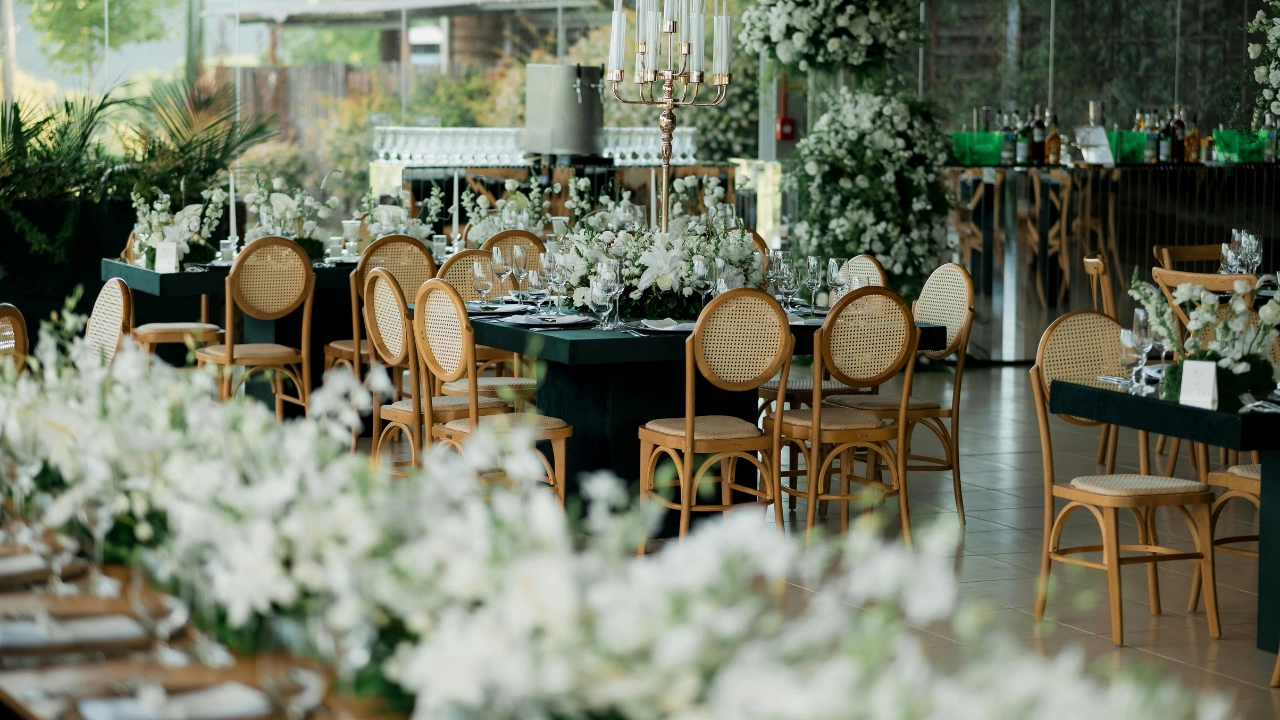
London doesn’t really do “basic” when it comes to celebrations, and 2026 is proving that more than ever. Walk into any warehouse launch, milestone birthday, or corporate gathering across the city right now and you’ll notice something: nobody’s just decorating a room anymore, they’re building an experience from the ground up. At Featured London, we’ve spent the past few seasons watching these shifts happen in real time, working alongside clients who want their events to feel considered rather than copied from a Pinterest board. If you’re planning anything this year, from an intimate dinner to a full-scale brand activation, here’s what’s actually shaping event design across the capital right now.
The biggest shift in 2026 isn’t a colour palette or a prop trend, it’s a mindset. Clients are asking why an event needs to exist before they ask what it should look like. Every choice, from the seating plan to the signature cocktail, is expected to tie back to a clear purpose, whether that’s celebrating a milestone, launching a product, or simply giving guests a reason to put their phones down for a few hours. Any experienced event organiser London clients trust will tell you this shift has changed client briefs completely: fewer requests for “make it look expensive” and more for “make it mean something.”
Flat backdrops and static florals are quietly losing ground to spaces guests can actually move through. Multi-zone layouts, interactive installations, and storytelling-led journeys are turning single rooms into a sequence of small experiences rather than one big reveal. Think a cocktail hour that shifts mood halfway through, or a dinner that unfolds in stages as guests move between areas. This isn’t limited to huge budgets either, even modest events are borrowing the logic of experiential design by rethinking flow rather than just decor.
Lighting has stopped being the thing added in the final week of planning. In 2026, it’s part of the very first conversation, because it changes how every other design choice reads in the room. Warm, layered lighting can soften a corporate venue; sculptural fixtures can turn a plain ceiling into the focal point of the entire evening. Done well, lighting doesn’t just illuminate a space, it directs where guests look, how long they linger, and how photographs of the night actually turn out.
Minimalism hasn’t disappeared, but it’s grown warmer. Instead of stripped-back white spaces, this year’s events lean on tactile materials, bouclé linens, raw timber, woven textures, and soft draping, to add depth without piling on extra decor. It’s a quieter kind of luxury that photographs beautifully and feels genuinely inviting rather than staged.
Colour palettes across London events this year sit somewhere between grounded and glamorous. Terracotta, sage, clay, and warm neutrals are showing up far more than bright, saturated colours, usually paired with brushed brass or antique gold accents. It’s a palette that works equally well for a birthday celebration in a private garden or a product launch in a converted warehouse.
It might sound contradictory, but artificial intelligence is quietly making events feel more personal, not less. Smart planning tools now help map guest journeys, suggest seating arrangements based on shared interests, and flag logistical gaps before they become problems on the day. For something as personal as a child’s celebration, this shows up in small but meaningful ways, a virtual birthday party planner using digital tools to build a bespoke theme board in minutes rather than weeks, freeing up time for the details that actually matter to the family.
Fully virtual events haven’t disappeared just because in-person gatherings are back in full swing. Plenty of Londoners still want the option, whether it’s a family scattered across time zones or a corporate team split between offices. Virtual event planning services have matured well beyond a webinar link and a slide deck; the better virtual event planning companies now build proper run-of-show experiences, complete with interactive elements, breakout moments, and professional production values. For anyone looking into virtual party planners this year, the standard has genuinely gone up.
Budgets across the industry remain tight, but expectations haven’t dropped an inch, which has forced a more resourceful kind of creativity. Flexible formats, rented statement pieces instead of custom-built ones, and venues that already have strong architectural bones are helping hosts stretch every pound further. The events that stand out this year aren’t necessarily the most expensive, they’re the ones where every design decision earns its place.
Sustainability has moved from a nice-to-have line item to a genuine design constraint. Recycled textiles, locally sourced florals, reusable signage, and rental furniture over one-off builds are becoming standard requests rather than special ones. It’s less about a single “eco” moment in the event and more about a general shift toward not throwing everything away the next morning.
None of these trends mean much without the right people executing them, which is really where the planning conversation should start. Whether you’re comparing Top Event Management Companies in London for a corporate conference or shortlisting Virtual Event Planners in London for a smaller family celebration, look closely at how a team actually works, not just their portfolio photos. Featured London works across both virtual event organisers in London briefs and full in-person productions, which means the same attention to purpose, lighting, and flow applies whether your guests are sitting in a room together or joining from three different countries.
2026 is shaping up to be a year where London’s events feel less about spectacle for its own sake and more about intention, spaces that are lit properly, styled with restraint, and built around an actual reason for people to show up. If you’re weighing up Top Event Management Agency in London options for a milestone celebration, or you’re after best event birthday party organisers who can pull something personal together without the stress, the trends above are a solid starting point for the brief. And if part of your guest list simply can’t be in the room, a genuinely capable Virtual Events Planner in London can now make sure they don’t miss a thing either. At Featured London, this is exactly the kind of planning we live for, get in touch before you lock in your 2026 plans.
Q: What are the biggest event design trends in London for 2026?
A: Purpose-led planning, immersive multi-zone layouts, lighting designed from the outset, tactile textures, earth-toned palettes with metallic accents, and AI-assisted personalisation are shaping most London events this year, alongside a continued demand for flexible hybrid and virtual formats.
Q: Is virtual event planning still relevant in 2026?
A: Very much so. Plenty of hosts still need a virtual option for guests who can’t travel, and production quality has improved significantly, with proper run-of-show structure, interactive segments, and polished visuals replacing the basic video-call format of a few years ago.
Q: How much does it cost to hire an event organiser in London?
A: Costs vary widely depending on scale, venue, and how much design work is involved, ranging from a few hundred pounds for a small styled gathering to several thousand for a full-scale production. Most organisers will provide a tailored quote after an initial consultation.
Q: What should I look for in a virtual event planner?
A: Look past the portfolio photos and ask how they handle technical rehearsals, guest engagement, and backup plans if something goes wrong on the day. A good planner treats a virtual event with the same attention to flow and atmosphere as an in-person one.
Q: Can Featured London handle both in-person and virtual events?
A: Yes. Featured London works across both formats, applying the same principles of purpose, lighting, and guest experience whether attendees are gathered in one room or joining remotely from different locations.
Q: What’s the best way to make a birthday party feel more personal?
A: Start with the guest of honour’s actual interests rather than a generic theme, layer in small personal touches like handwritten notes or a curated playlist, and keep the guest list intentional rather than oversized. Thoughtful details tend to matter more than scale.
Q: Are sustainable event designs more expensive?
A: Not necessarily. Renting furniture instead of building custom pieces, choosing locally sourced florals, and reusing signage often works out cheaper than one-off builds, while also reducing waste — it’s frequently a budget-friendly choice as much as an environmental one.
Q: How far in advance should I book an event management company in London?
A: For larger events or popular dates, three to six months’ notice is a safe minimum, especially for venues with high demand. Smaller or more flexible celebrations can sometimes be arranged with a few weeks’ notice, depending on availability.
Q: What’s the difference between an event planner and an event designer?
A: An event planner typically manages logistics, timelines, and vendor coordination, while a designer focuses on the visual and sensory experience — layout, lighting, colour, and styling. Many London agencies, including full-service ones, now offer both under one roof.
Q: Do event organisers in London handle corporate and private events?
A: Most established agencies cover both, though the approach differs. Corporate events tend to prioritise brand messaging and structured schedules, while private celebrations lean more heavily on personal touches and flexible timing.